
Why the buyer type shapes the program
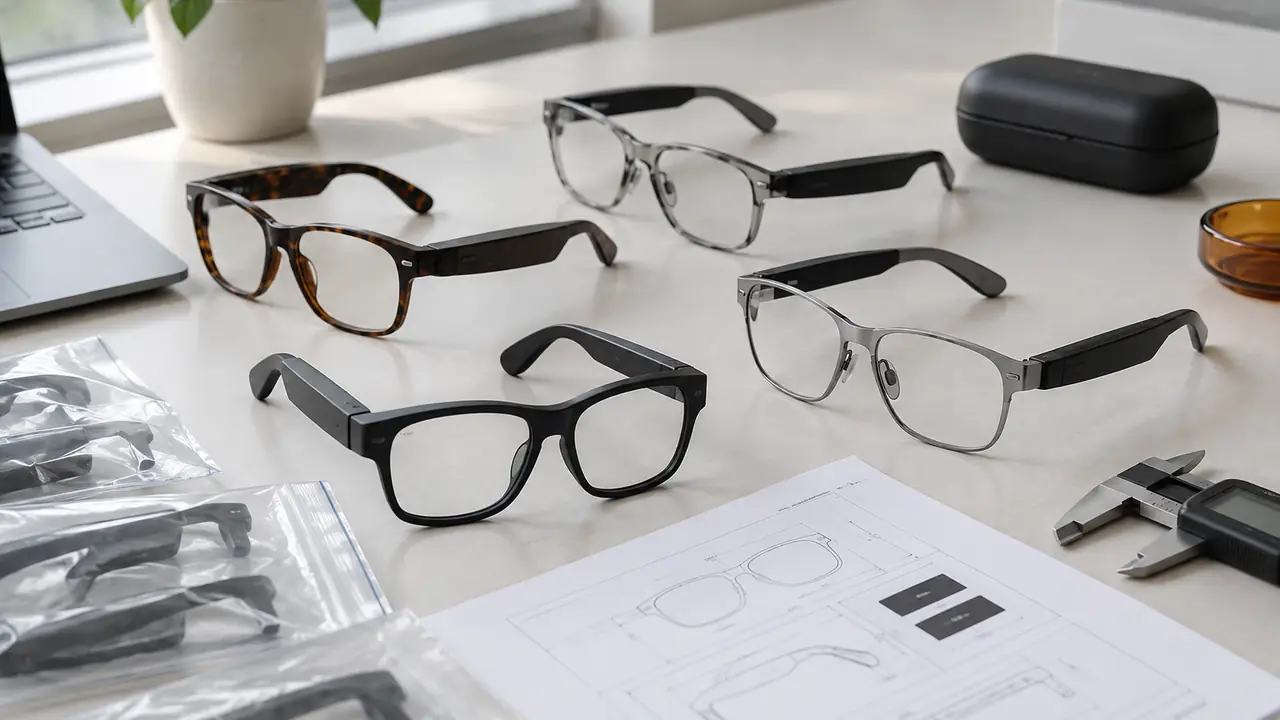
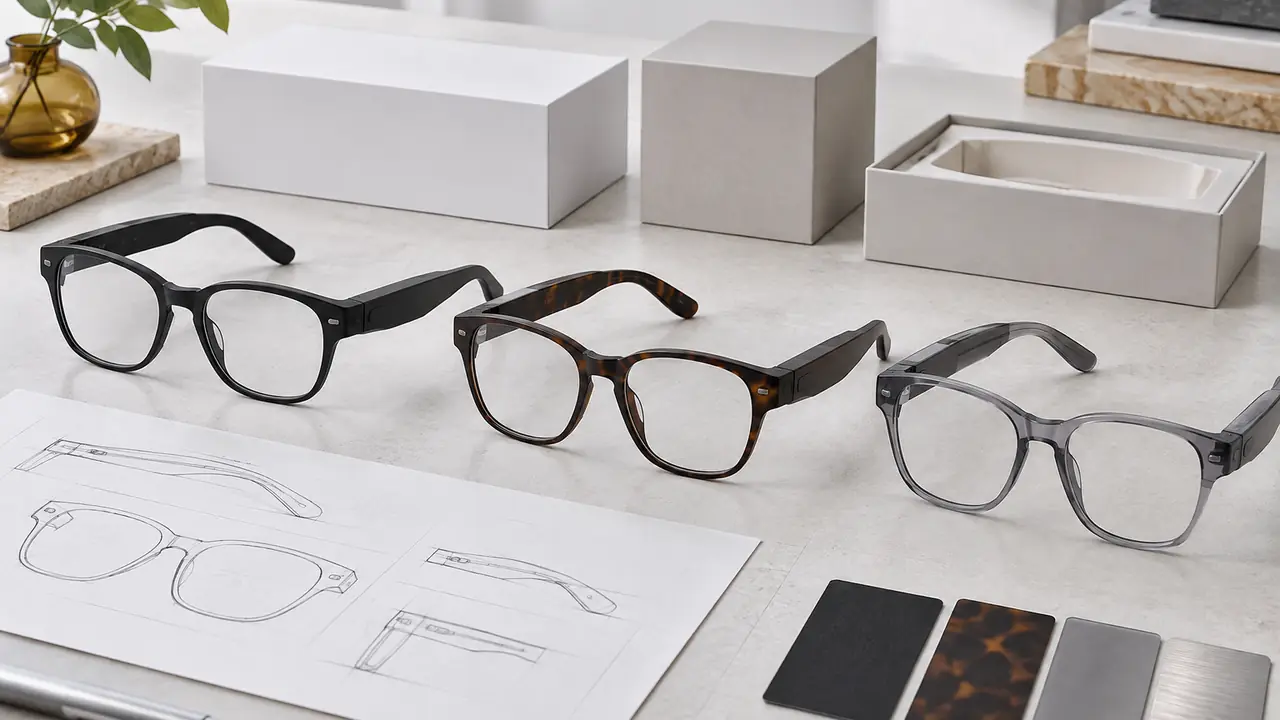
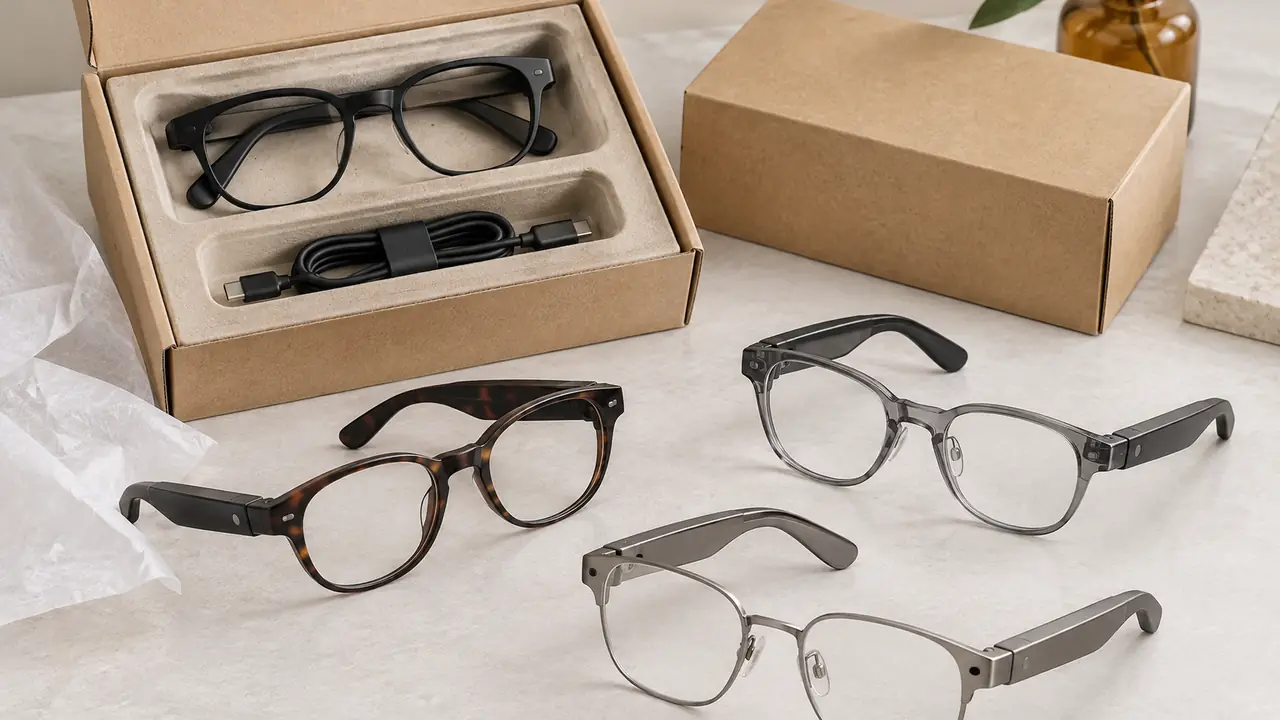
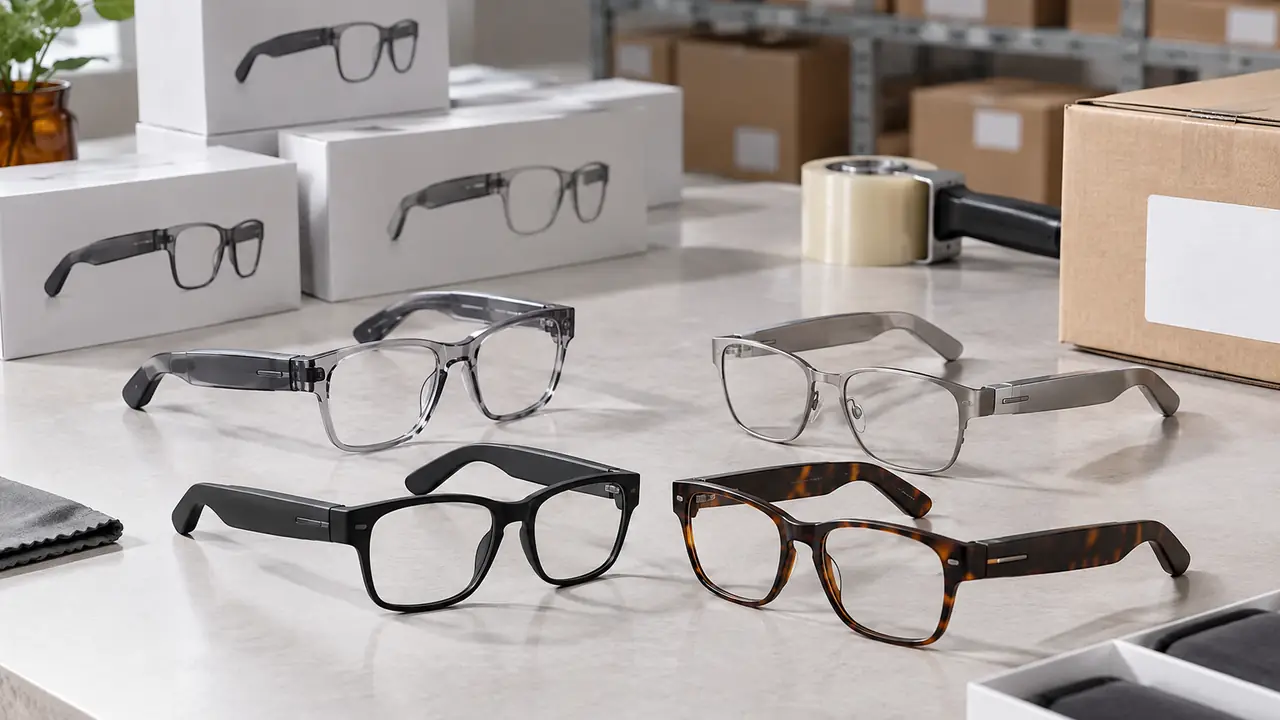
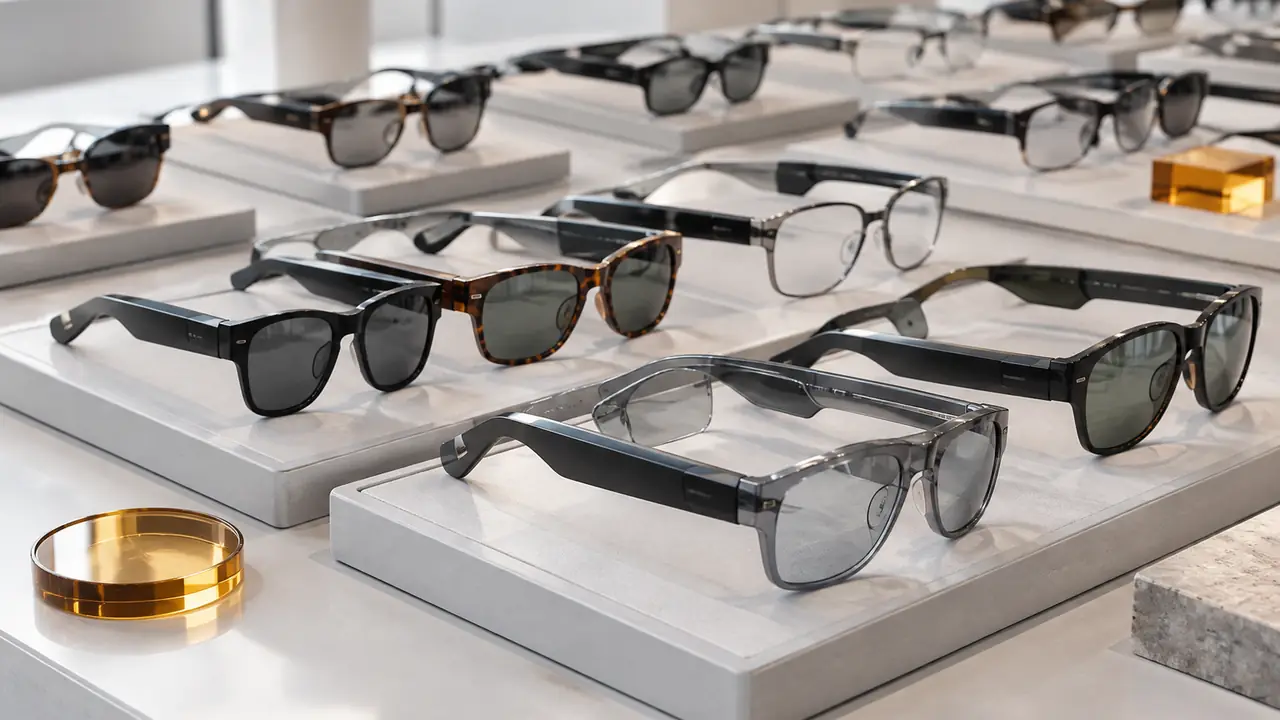
Smart glasses look like one product category, but the way a buyer sells them changes almost every decision behind the order. A brand owner needs its own frame shape, tuned audio and a white-label app, and cares about who owns the certification files. A marketplace seller needs a clean FCC ID on the listing, battery paperwork that the warehouse accepts and a model that does not collect one-star reviews for pairing drops. A retailer needs try-on frames and staff notes. An enterprise buyer needs fleet charging and controlled firmware. The hardware may be the same Bluetooth audio frame in all four cases; the program around it is not.
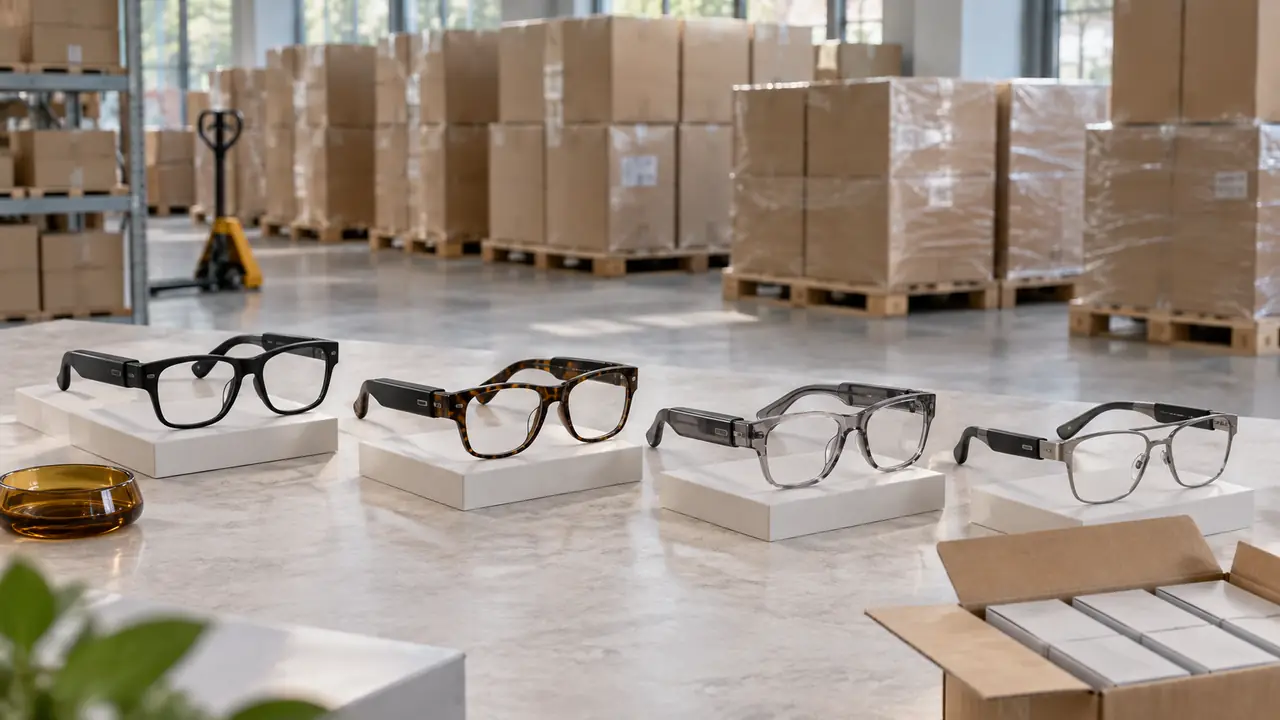
Templora is a sourcing desk, not a single plant. A smart glasses program aligns three supply chains - temple electronics from Shenzhen, frames from the Shenzhen Henggang and Wenzhou Ouhai eyewear clusters, and lenses from Danyang and Xiamen - and the desk aligns fit, lens spec, assembly and inspection in one program. What changes by buyer type is which of those links the program customises and which documents travel with the cartons. The background on the clusters is on industry clusters.
Eight buyer types at a glance
The table summarises the usual starting point for each buyer type. Quantities are typical reference ranges across the category, confirmed in writing for each program.
| Buyer type | Main pain points | Lines usually recommended | Typical starting order | Key documents |
|---|---|---|---|---|
| Brand owners | Own frame design, acoustic tuning, app white-label, ownership of certification files | Open-ear, AI translation, camera | Full custom from 3,000 pairs per model | Test reports in the brand's name, tooling agreement, firmware release notes |
| DTC brands | Small runs in several colours, unboxing, returns from fit and pairing | Bluetooth audio, photochromic, prescription-ready | Logo program, 500-1,000 pairs per model | Size chart, packaging artwork proof, return-reason test plan |
| Marketplace sellers | FCC ID on the listing, lithium battery transport and storage rules, review drivers | Bluetooth audio, sports, accessories | Catalog 50-500 pairs, then logo | FCC grant, UN 38.3 summary, safety data sheet, carton labels |
| Distributors | Regional exclusivity, a clear model ladder, after-sales spares | Full range by tier | Logo programs across 3-6 models | Full document pack per model, spares list, warranty terms |
| Wholesalers | Depth across price tiers, mixed cartons, restocking | Bluetooth audio, business call, accessories | Catalog 50-500 pairs per model, mixed loads | Commercial invoice, HS reference, battery declarations |
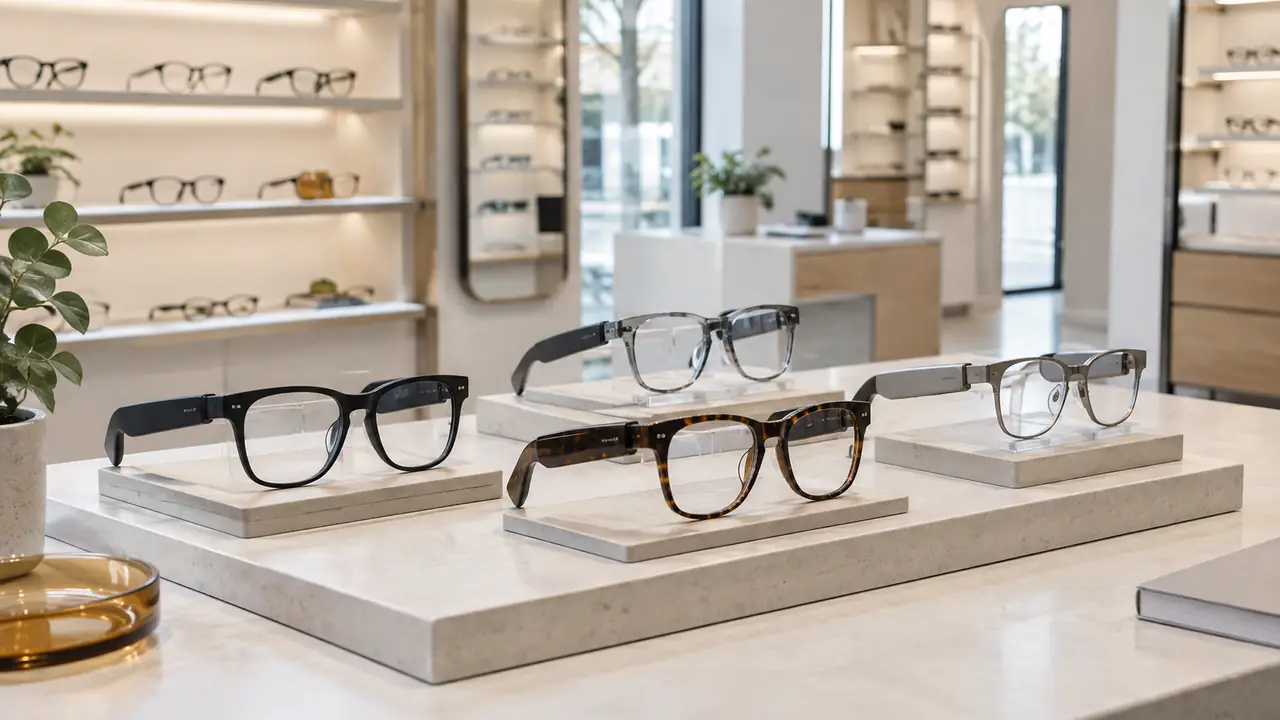
| Retailers | Display, try-on stands, barcodes, staff training | Prescription-ready, photochromic, kids | Logo program with retail boxes | Barcode list, display kit spec, staff guide, CPSIA file for kids |
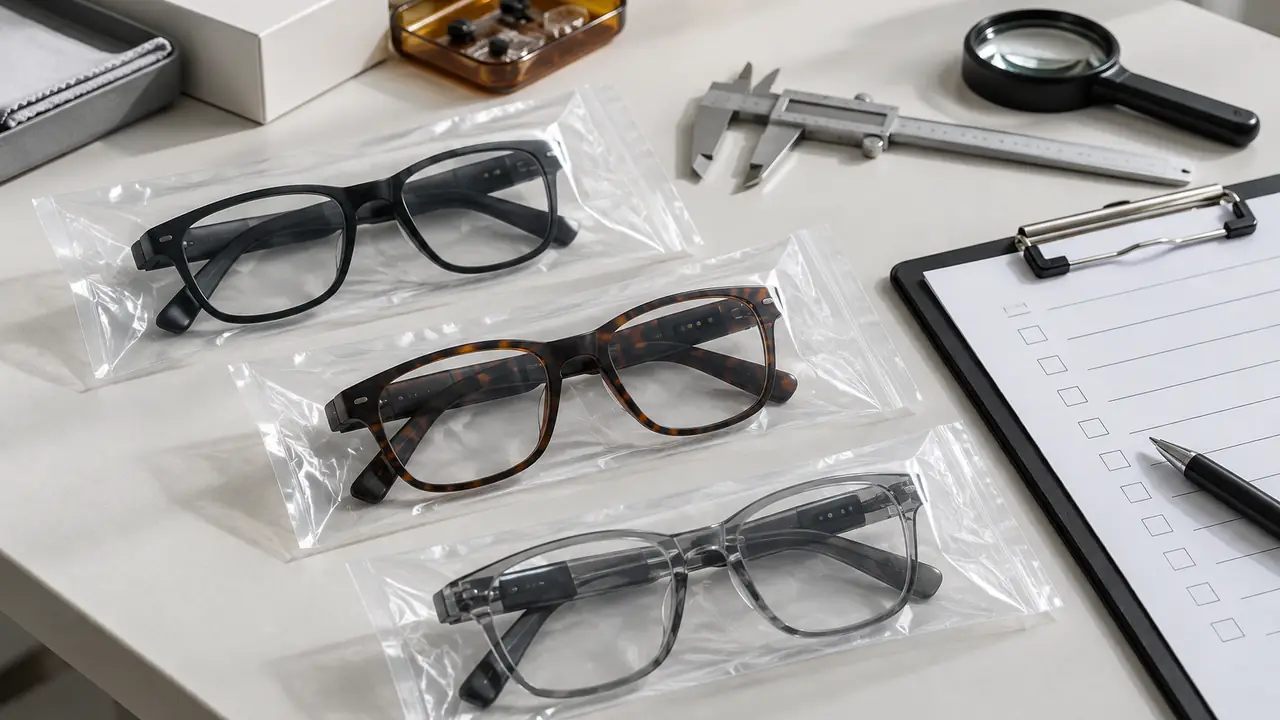
| Sourcing agents | Plant audits, inspection, document packs, consolidation | Full range | Per client brief | Audit report, inspection report, document index |
| Enterprise and projects | Bulk purchase, tour and trade-show translation, hands-free calls, gifting | AI translation, business call, developer | Catalog or logo, quantity per project | Firmware version record, fleet charging plan, spares kit |
Three order routes behind every program
Whatever the buyer type, the order follows one of three routes. A catalog model is an existing tooled design from a partner plant, typically 50-500 pairs per model, with samples in 5-10 working days and batch production in 20-35 days. A logo program keeps the catalog hardware and adds a temple print or laser mark, a custom box and often an app skin, typically from 500-1,000 pairs per model with samples in 10-15 working days. A full custom OEM/ODM program adds a new frame mould, acoustic or PCBA tuning and a white-label app, typically from 3,000 pairs per model, with engineering samples in 30-60 days including 25-45 days for tooling, and batch production in 45-75 days before any certification queue. The trade-offs are explained in catalog model vs custom smart glasses.
Documents that travel with every order
Most buyers need the same core set, then add items specific to their channel. For the United States: the FCC Part 15.247 grant and FCC ID for the Bluetooth transmitter, Part 15 Subpart B for the digital circuit, and the 21 CFR 801.410 drop-ball impact test for the lenses. For the European Union: CE under the Radio Equipment Directive with EN 300 328, EN 301 489, EN 62368-1 and EN 18031 cybersecurity, plus ISO 12312-1 for sunglass lenses, RoHS, REACH and the EU Battery Regulation 2023/1542. For transport: a UN 38.3 test summary and, by air, declaration under UN3481 and PI 967 Section II. Certificates are held by partner plants or test labs per project and verified by the desk; scope is confirmed with your test lab. The full checklist is on compliance and certifications.
How to choose your starting page
Start from the buyer type that matches how you sell, not the size of your company. A large retailer launching a private label behaves like a brand owner; a small agency buying translation frames for one trade fair behaves like an enterprise project. Each solution page below lists the pain points, the recommended lines, the typical order route, the document and inspection checkpoints, and an illustrative anonymous case. When you know roughly what you need, send the brief through the quote form or check current ranges on MOQ and lead time.