

Why the use case comes before the spec sheet
Most smart glasses share one architecture: a frame front with lenses, two temples that carry a Bluetooth system-on-chip, small lithium-ion cells, speakers and microphones, and a hinge that routes a flex cable between the arms. What changes from one program to the next is the weighting. A cycling model lives or dies on wind noise and sweat on the charging contacts; an office model on microphone pickup and multipoint pairing; a camera model on the recording indicator LED and the privacy rules of each target market. Starting from the use case tells the desk which three or four modules deserve engineering time and which can stay as catalog parts.
It also decides the test plan. A generic order-level plan covers hinge cycling, runtime, pairing stability and drop. A use-case plan adds the items that predict returns in that setting: artificial sweat soak for sport frames, spray to the stated IP rating for outdoor work, call-quality checks in recorded street noise for commuters, and indicator visibility checks for camera glasses. The order-level detail is on testing and inspection.
Six use cases at a glance
The table is a starting map, not a fixed rule. Many ranges serve two use cases with one board and two fronts, and the recommended line is the usual starting point the desk shortlists from.
| Use case | Key specs | Recommended lines | Key test items |
|---|---|---|---|
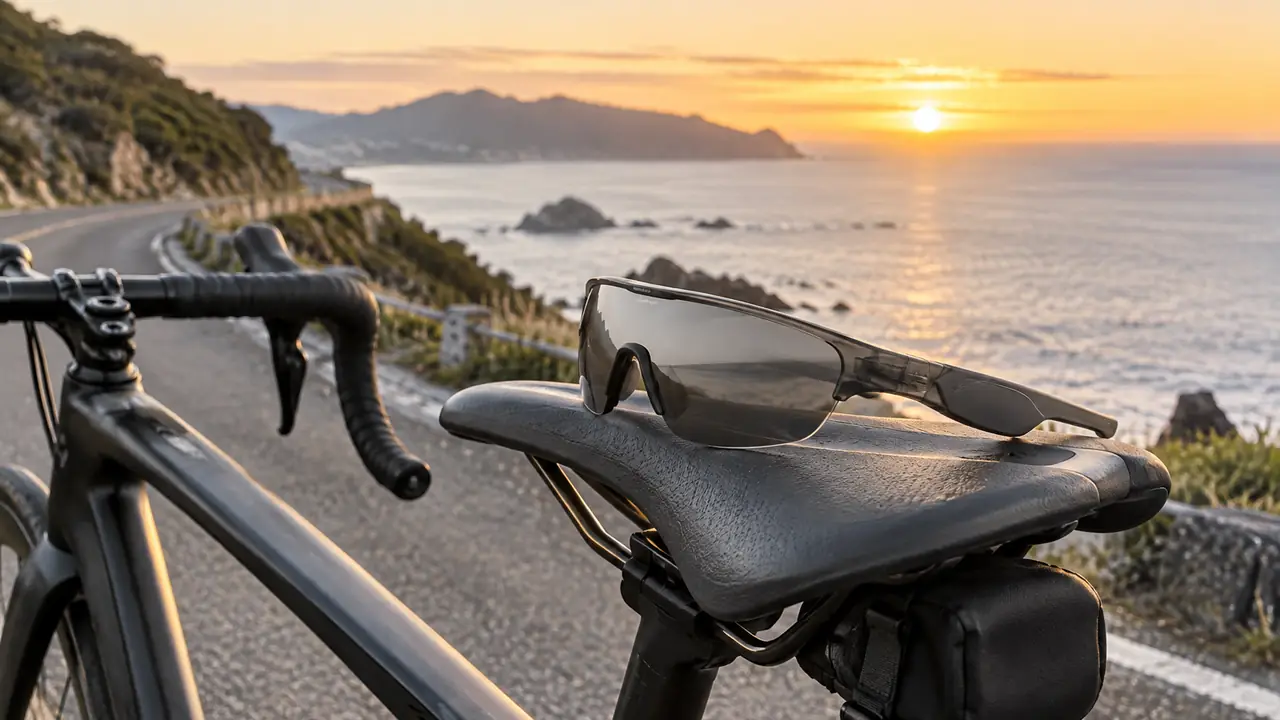
| Sports and outdoor | Wind-resistant mics, wrap frame, polarized or photochromic lens, IPX4-IP55 per test | Sports smart glasses, open-ear, bone conduction | Sweat soak, IPX spray, contact corrosion, grip and fit |
| Travel and translation | Mic array pickup, app with offline packs, languages per app | AI translation glasses | Pickup in noise, latency per network, app data flow review |
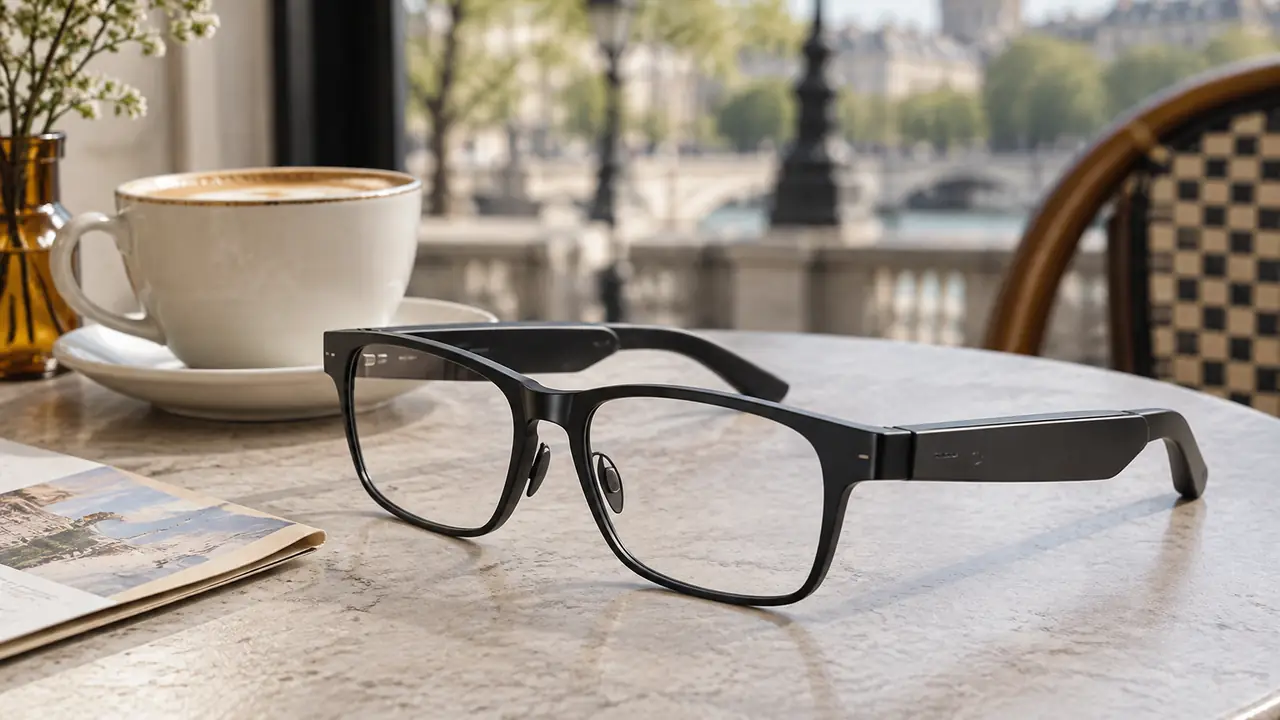
| Office and calls | Multipoint, ENC per firmware, low weight for all-day wear | Business call glasses, open-ear | Call quality, pairing with two hosts, conferencing checks per project |
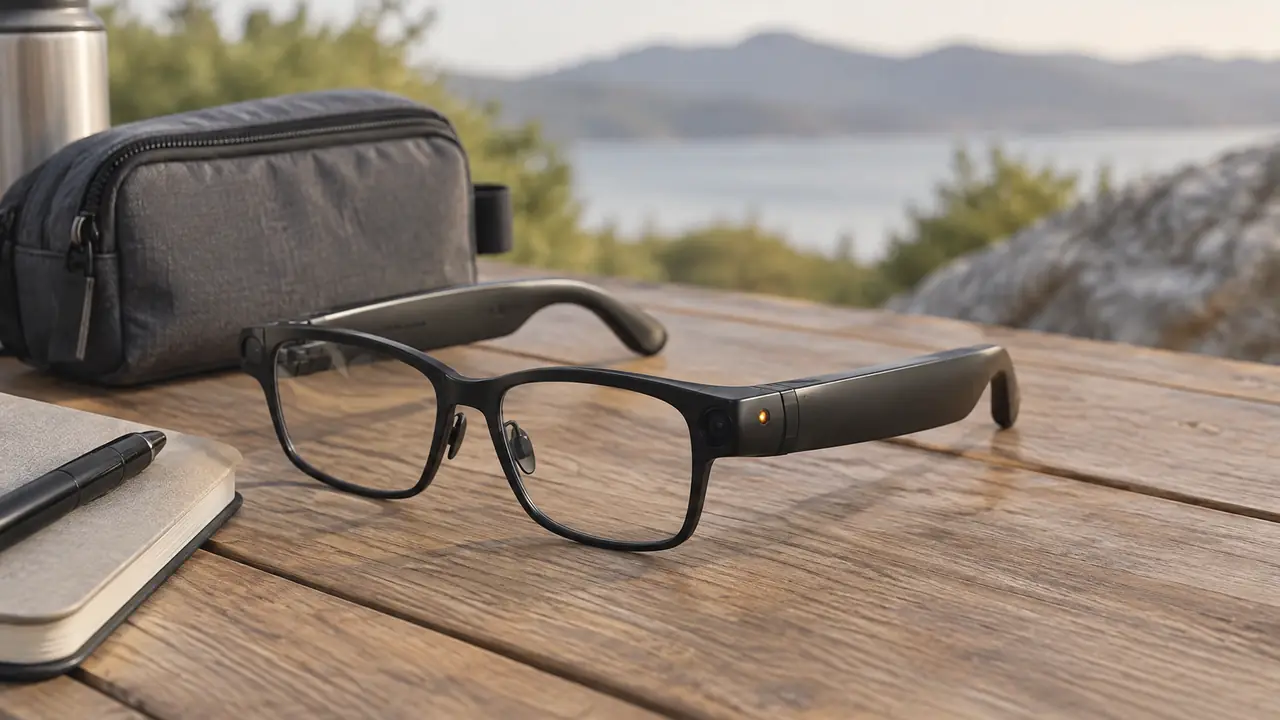
| Content creation | Sensor, video resolution, storage, Wi-Fi transfer, recording indicator LED | Camera glasses | Indicator visibility, thermal and runtime while recording, transfer stability |
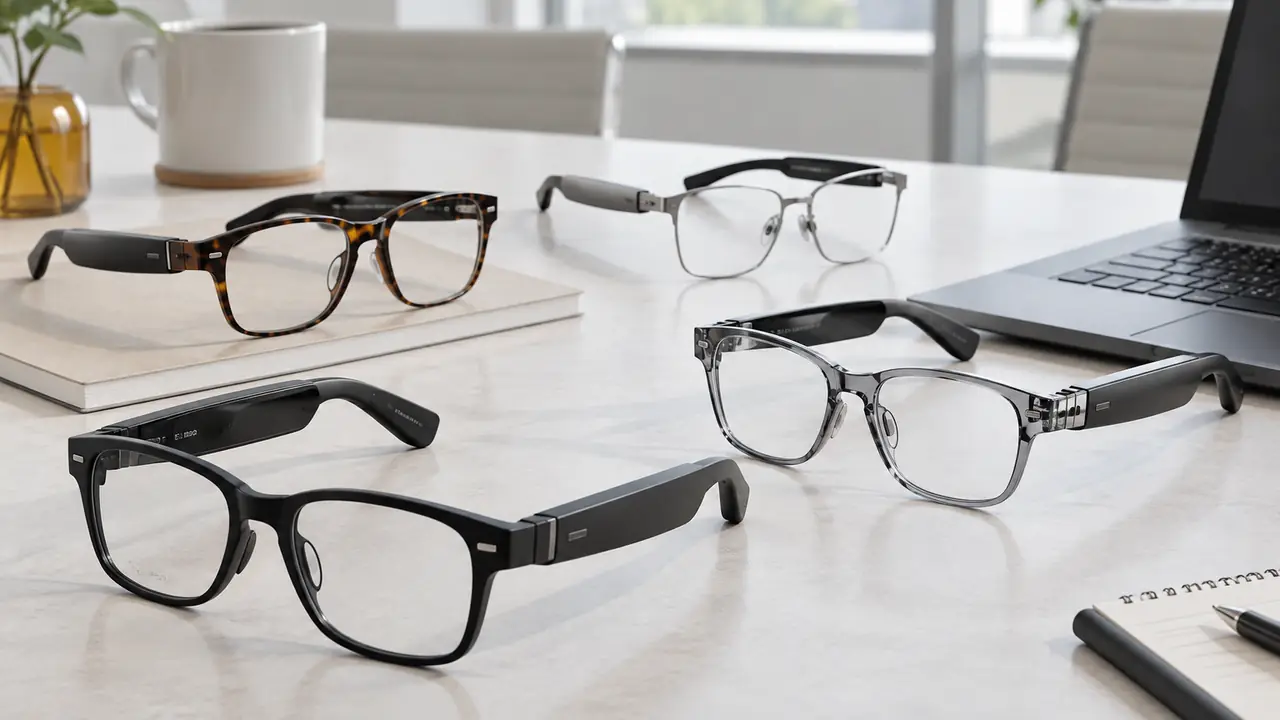
| Commuting and daily wear | Rx-ready front, photochromic lens, open-ear awareness | Prescription-ready, photochromic, Bluetooth audio | Lens category marking, comfort and weight, hinge cycling |
| Field work and enterprise | Hands-free calls, durable frame, bulk charging, managed firmware | Business call, developer, accessories | Drop, spray, charging contact life, OTA control |
How one board serves two use cases
Buyers often ask whether they need a separate model for each application. Usually not. The temple electronics - chipset, cells, speakers and microphones - can stay the same while the front, lens and firmware tuning change. A typical pairing is an everyday audio model and a sport version on the same board: the sport version gets a wrap front in TR90 or PC, anti-slip nose pads and temple sleeves, and a polarized lens; the everyday version gets an Rx-ready front and a clear or photochromic lens. Both share one certification file for the radio part, which keeps the compliance budget and lead time under control.
The split is less clean for camera and translation glasses. A camera module changes the board, the power budget and the privacy obligations; translation depends on the app and the cloud engine as much as on the hardware. Those programs are planned as their own lines. The product families are on audio glasses and AI and camera glasses.
Where the three supply chains meet
Every use case draws on the same three supply chains: temple electronics from Shenzhen (acoustics, PCBA, batteries), frames from the Shenzhen Henggang and Wenzhou Ouhai eyewear clusters, and lenses from Danyang and Xiamen. A sport program leans on Xiamen for polarized lenses; a commuter program leans on Danyang for photochromic and Rx-ready lens work; a field program leans on frame plants that can hold hinge tolerances over long cycling tests. The desk aligns fit, lens specification, assembly and inspection in one program so the three sides are not discovered to disagree at the golden sample stage. The cluster background is on industry clusters.
Quantities, samples and timing
Use-case programs follow the same commercial routes as any other line. Catalog models typically start at 50-500 pairs per model, logo programs at 500-1,000 pairs, and full custom OEM or ODM work at 3,000 pairs per model. Catalog samples take 5-10 working days, logo samples 10-15 working days and ODM engineering samples 30-60 days including tooling. Batch production runs 20-35 days for catalog and logo programs and 45-75 days for full custom, before certification queues. All of these are typical reference ranges, confirmed in writing for each program; the current table is on MOQ and lead time.
To brief a use-case program, describe the setting, the target market and the quantity on the quote form; the desk replies with a shortlist and a draft test plan.