
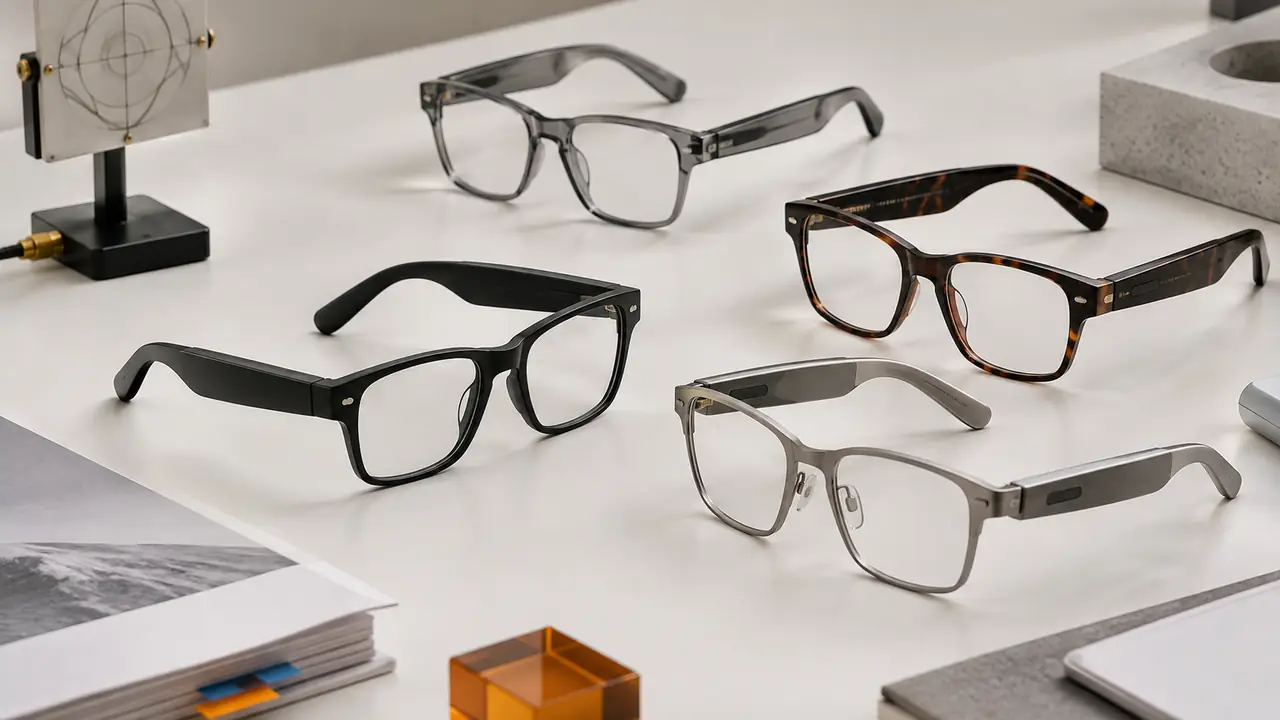
Three regulatory areas in one product
Smart glasses are radio equipment, a battery-powered device and eyewear at the same time, so each program needs documents in all three areas. Radio covers the Bluetooth transmitter, electromagnetic compatibility, electrical safety, RF exposure and, in the EU, cybersecurity. Battery covers cell safety, transport testing and battery labelling. Optics covers lens transmittance, UV filtering and impact resistance. On top of these sit Bluetooth SIG qualification for the use of the Bluetooth name and logo, and substance rules such as RoHS and REACH. Kids models add children's product rules, and camera models add privacy expectations.
Route by market
| Market | Radio and EMC | Optics and product | Battery and other |
|---|---|---|---|
| United States | FCC Part 15.247 transmitter with FCC ID; Part 15 Subpart B for digital circuitry; RF exposure per 47 CFR 1.1307, 1.1310 and 2.1093 | ANSI Z80.3 for non-prescription sunglasses and fashion eyewear; drop-ball test under 21 CFR 801.410; CPSIA with a CPC for children's models | UN 38.3 summary; IEC 62133-2 as commonly requested |
| European Union | CE under RED 2014/53/EU: EN 300 328, EN 301 489-1 and -17, EN 62368-1, EN 50566 or EN 62479; cybersecurity under EN 18031-1, -2, -3 | EN ISO 12312-1, including the Cat. 4 not-for-driving marking; GPSR | EU Battery Regulation 2023/1542; RoHS 2011/65/EU; REACH SVHC; WEEE |
| United Kingdom | UKCA route, confirmed per project | Lens standard per project | Battery and substance rules per project |
| Japan | MIC radio certification (TELEC), confirmed per project | Per project | Per project |
| South Korea | KC certification, confirmed per project | Per project | Per project |
Bluetooth SIG qualification, with a Declaration ID, applies across markets wherever the Bluetooth name or logo is used. Per-market detail is in the certifications checklist by market and FCC Part 15 for Bluetooth glasses.
EU cybersecurity: EN 18031 and the CRA
Since 1 August 2025, the cybersecurity requirements of RED Article 3(3)(d), (e) and (f) apply to wireless devices that connect to the internet or process personal data, under Delegated Regulation (EU) 2022/30. That regulation names glasses explicitly among wearable radio equipment, so smart glasses are in scope. The harmonised standards are EN 18031-1, -2 and -3, covering network protection, personal data and fraud-related functions. In practice this touches the companion app and firmware as much as the hardware: secure pairing, update integrity, default credentials and data handling.
From 11 December 2027 these requirements pass to the Cyber Resilience Act, under Delegated Regulation (EU) 2026/339. Brands planning ranges that will still be on sale after that date should ask their partner plants and app providers how the firmware and update process will be documented for the new regime. The background is in RED cybersecurity and EN 18031.
Lenses, batteries and special lines
Lens testing is often forgotten on electronics programs. In Europe sunglass lenses follow EN ISO 12312-1, which sets transmittance categories Cat. 0 to Cat. 4 and requires Cat. 4 lenses to carry a not-for-driving marking; ISO 12312-1:2022 also adds a photosensitive epilepsy note for electrochromic lenses. In the US, ANSI Z80.3 applies to non-prescription sunglasses and fashion eyewear, and 21 CFR 801.410 requires impact-resistance testing. Batteries need IEC 62133-2 and a UN 38.3 summary, and the EU Battery Regulation 2023/1542 adds labelling duties.
Two lines need extra attention. Kids models sold in the US are children's products under CPSIA, needing a Children's Product Certificate based on third-party testing. Camera glasses need a visible recording indicator LED; the EDPB statement adopted on 13 October 2026 is guidance rather than new law, but it expects manufacturers to make indicators visible in different lighting, to distinguish recording from photo capture and to stop recording when the indicator is covered.
Planning time and documents
- Fix target markets and channels in the brief; they decide the scope.
- Check which reports the partner plant already holds for the catalog model, and whether they cover your changes.
- Book lab testing on the golden sample: typically 3-6 weeks per lab and scope, plus any Bluetooth SIG listing.
- Prepare labels and manuals: FCC ID and Part 15 statement, CE and WEEE marks, battery and lens markings.
- File the document set with the shipment and keep it for market surveillance requests.
Certification queues are not included in batch lead times. Typical program timing is on MOQ and lead time, test planning on testing and inspection, and you can ask for a route review through the quote form.